 By Thefamefile@gmail.com
Introduction
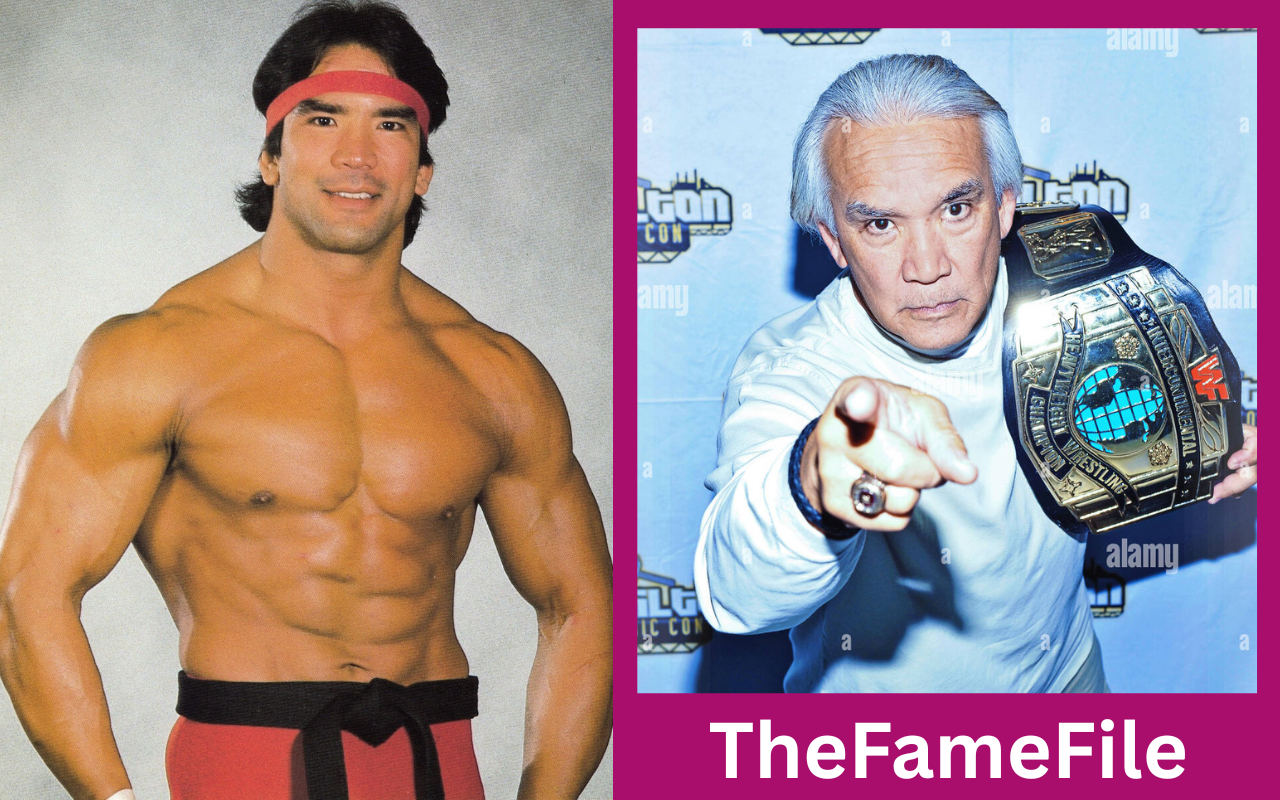
Richard Henry Blood is the birth name of one of professional wrestling’s most recognizable figures, Ricky “The Dragon” Steamboat. Although millions of wrestling fans know him by his famous ring name, his career began under his real name before he developed the character that would become one of the most respected identities in wrestling history. Born in West Point, New York, in 1953, Blood eventually became a major star in the American Wrestling Association, National Wrestling Alliance, World Wrestling Federation, World Championship Wrestling, and other wrestling organizations.
Ricky Steamboat became especially famous for his athletic wrestling style, championship success, and memorable rivalries with performers such as Ric Flair and Randy Savage. His match against Savage at WrestleMania III and his legendary series with Flair in 1989 remain central parts of his professional legacy. Beyond wrestling, Blood also became a husband, father, trainer, backstage wrestling figure, and member of several wrestling halls of fame. His son, Richie Steamboat, later entered professional wrestling as well, continuing the family connection to the business.
Who Is Richard Henry Blood?
Richard Henry Blood was born on February 28, 1953, in West Point, New York. He later became famous under the professional name Ricky Steamboat and was eventually given the nickname “The Dragon.” The name Ricky Steamboat became so closely associated with him that many wrestling fans know the ring name better than his birth name.
Blood developed an interest in wrestling during his younger years. His family background was also notable because he was born to a Japanese American mother and a white father. His family eventually moved to Florida, where Blood continued his education and became involved in amateur wrestling.
He graduated from Boca Ciega High School in Gulfport, Florida, in 1971. During his amateur wrestling years, he developed the physical skills and competitive discipline that would later become important to his professional wrestling career. He was a Florida state champion and had also qualified for New York state wrestling competition.
Richard Henry Blood eventually transformed those amateur skills into a professional career. Rather than relying only on a powerful physical presence, he became known for speed, technical ability, athletic movement, and an energetic wrestling style.
Early Life and Amateur Wrestling
Blood’s early life helped shape the performer who later became Ricky Steamboat. His experience in amateur wrestling gave him a foundation in grappling, conditioning, balance, and competitive discipline. These qualities became particularly valuable when professional wrestling began to demand both athletic ability and entertainment skills.
After finishing high school, Blood pursued professional wrestling training. He trained under established wrestling figures including Verne Gagne and The Iron Sheik. Gagne was one of the important wrestling personalities of his era and operated the American Wrestling Association, giving young wrestlers an opportunity to learn the professional side of the business.
Blood made his professional wrestling debut in 1976. His early career was spent learning the demands of professional wrestling and working in different territories. During this period, he wrestled under variations of his real name before the Ricky Steamboat identity became established.
His early development was important because professional wrestling during the 1970s operated differently from the modern entertainment industry. Wrestlers often traveled between regional promotions, building their reputations through repeated matches and local championship programs.
How Richard Blood Became Ricky Steamboat
The transformation from Richard Blood into Ricky Steamboat became one of the defining moments of his career. Wrestling promoter Eddie Graham helped develop the Ricky Steamboat name, with the character connected to the earlier wrestler Sammy Steamboat.
The name gave Blood a distinctive identity and helped separate his professional wrestling persona from his personal life. Over time, audiences became familiar with Ricky Steamboat as an athletic, disciplined and energetic performer.
His billed connection to Hawaii also became part of the character. Although he was actually born in New York and spent part of his youth in Florida, he was presented to wrestling audiences as being from Honolulu, Hawaii.
The character eventually developed further when Blood joined the World Wrestling Federation in the 1980s. There, he became known as “The Dragon,” a nickname that became one of the most recognizable parts of his wrestling identity.
The Dragon character allowed Steamboat to incorporate distinctive poses and presentation into his entrance and matches. However, his wrestling ability remained the central part of his appeal. He became known for diving maneuvers, particularly his trademark flying body press or crossbody, as well as his fast-paced technical style.
Richard Henry Blood’s Rise in Professional Wrestling
Ricky Steamboat spent important parts of his early career in the Mid-Atlantic wrestling territory, where he became involved in tag-team wrestling and singles competition. He developed successful partnerships with wrestlers including Paul Jones and Jay Youngblood.
His work in the Mid-Atlantic region helped establish him as more than a promising young wrestler. He became a championship-level performer who could compete against some of the biggest names in the business.
Steamboat’s career eventually expanded into several major wrestling organizations. He worked for the American Wrestling Association, National Wrestling Alliance, Jim Crockett Promotions, World Wrestling Federation, and World Championship Wrestling.
His championship record grew as his reputation increased. He won the NWA World Heavyweight Championship once and also captured multiple United States, Television and Tag Team championships during his career. In WWE, he became the Intercontinental Champion.
What made his career particularly notable was that he could succeed in different wrestling environments. He was comfortable in singles matches, tag-team competition, championship contests, and long technical encounters.
WrestleMania III and Randy Savage
One of the most important chapters of Richard Henry Blood’s career came at WrestleMania III in 1987. Ricky Steamboat challenged Randy “Macho Man” Savage for the Intercontinental Championship in one of the most remembered matches in WWE history.
The match took place at the Pontiac Silverdome in Michigan in front of a massive audience. Steamboat defeated Savage and captured the Intercontinental Championship.
The contest became famous for its detailed wrestling structure, fast action and carefully executed sequences. Savage was one of WWE’s biggest stars, while Steamboat had established himself as a highly respected performer. Their contrasting personalities and wrestling styles created a match that received enormous attention.
The victory was significant because it gave Steamboat one of the defining championship moments of his WWE career. The match continued to be discussed long after WrestleMania III and became a major part of wrestling history.
For Richard Henry Blood, the victory represented more than another championship. It helped cement Ricky Steamboat as one of the leading performers of his generation.
The Legendary Rivalry With Ric Flair
Another major chapter in Steamboat’s career was his rivalry with Ric Flair. The two wrestlers had competed against each other for years, but their famous 1989 series became one of the most celebrated rivalries in professional wrestling.
Steamboat and Flair were different in character but closely matched in wrestling ability. Steamboat was generally presented as a disciplined and honorable competitor, while Flair was famous for his flamboyant personality and “Nature Boy” character.
Their 1989 matches included Chi-Town Rumble, Clash of the Champions VI and WrestleWar. Steamboat captured the NWA World Heavyweight Championship from Flair at Chi-Town Rumble, beginning a remarkable championship rivalry.
The matches became known for their technical quality, long storytelling and intense competition. The two wrestlers exchanged the championship during the series, creating a rivalry that continued to be discussed by fans and wrestling historians.
Their chemistry was one of the reasons Steamboat’s career became so respected. The Flair matches demonstrated that professional wrestling could combine athletic performance with long-form storytelling and emotional drama.
Championships and Major Career Achievements
Richard Henry Blood accumulated an impressive collection of championships during his wrestling career. As Ricky Steamboat, he became a one-time NWA World Heavyweight Champion and a one-time WWE Intercontinental Champion.
He also won multiple United States championships, Television championships and World Tag Team championships during his years with NWA, Jim Crockett Promotions and WCW.
His championship success was only one part of his career. Steamboat also developed a reputation for producing memorable matches. His contests with Randy Savage and Ric Flair are particularly important to his legacy, but his career included many other significant opponents.
His wrestling style also influenced how athletic babyface wrestlers could be presented. Steamboat was usually portrayed as a heroic competitor rather than a villain, and he maintained that role for much of his career.
He was later inducted into the Professional Wrestling Hall of Fame, the Wrestling Observer Newsletter Hall of Fame, the WWE Hall of Fame and the NWA Hall of Fame. His WWE Hall of Fame induction took place in 2009, recognizing his contribution to WWE and professional wrestling more broadly.
Richard Henry Blood’s Family and Son Richie Steamboat
Richard Henry Blood also has a strong connection to professional wrestling through his family. His brother, Vic Steamboat, became a professional wrestler, giving the family more than one connection to the industry.
His son, Richard Henry Blood Jr., was born in 1987 and later became known professionally as Richie Steamboat. Richie entered professional wrestling and competed in WWE developmental organizations, including Florida Championship Wrestling and NXT.
Richie Steamboat showed many similarities to his father in terms of athletic wrestling ability. He won championships in WWE’s developmental system and became the second FCW Grand Slam Champion.
Although Richie’s professional career was much shorter than his father’s, his involvement demonstrated how wrestling became a family tradition for the Blood family.
Richard Henry Blood’s connection with his son also became part of his later life in wrestling. Rather than simply being remembered as a former champion, he became part of another generation of professional wrestling through Richie.
Retirement, Hall of Fame Recognition and Legacy
Ricky Steamboat originally retired from active wrestling in 1994. A back injury suffered during a match with Steve Austin at Clash of the Champions XXVIII contributed to his retirement from regular in-ring competition.
However, retirement did not completely remove him from professional wrestling. Steamboat continued to have connections with wrestling organizations and worked in roles behind the scenes. His experience made him valuable as a trainer, road agent and mentor to other wrestlers.
In 2009, he returned to the ring for a series of matches involving Chris Jericho. Despite being well into his 50s, Steamboat demonstrated many of the athletic qualities that had defined his earlier career. His return received a strong reaction from wrestling fans.
His Hall of Fame recognition further established his historical importance. WWE inducted him in 2009, while other wrestling institutions also recognized his career.
Steamboat’s legacy is particularly connected to the idea of a wrestler who could create memorable matches through athletic ability and technical skill. His reputation was built over decades rather than through one championship or one promotion.
Richard Henry Blood Today
Richard Henry Blood, better known to generations of wrestling fans as Ricky “The Dragon” Steamboat, remains associated with professional wrestling even after his active career ended.
Born in 1953, he reached the age of 73 in 2026. His career has now become part of wrestling history, with his major matches continuing to appear in documentaries, historical programs, video games and WWE retrospectives.
His image and wrestling persona have also remained recognizable to newer generations of fans who may not have watched his original matches when they were broadcast. Modern wrestling games and documentaries have helped preserve his legacy.
Steamboat’s career also demonstrates the transition of professional wrestling from a regional territory-based business into a nationally and internationally recognized form of entertainment. He worked across several major eras and promotions, making his career particularly extensive.
Although his most famous matches took place decades ago, his name continues to be associated with championship wrestling, technical excellence and some of the most respected matches in WWE and NWA history.
Conclusion
Richard Henry Blood, known around the world as Ricky “The Dragon” Steamboat, built a professional wrestling career that lasted for decades and connected multiple generations of the wrestling business. Born in West Point, New York, in 1953, he developed his athletic background through amateur wrestling before entering professional wrestling in 1976.
His transformation into Ricky Steamboat created one of wrestling’s most memorable characters. The later addition of “The Dragon” gave him an identity that became closely associated with his athletic wrestling style and heroic presentation.
His victory over Randy Savage at WrestleMania III and his legendary 1989 rivalry with Ric Flair remain the defining highlights of his career. Along the way, he captured the NWA World Heavyweight Championship, WWE Intercontinental Championship and numerous other titles.
His influence also extended to his family, particularly his son Richie Steamboat, who followed him into professional wrestling. After retiring from regular competition, Steamboat continued contributing to wrestling through behind-the-scenes work, mentoring and occasional appearances.
Today, Richard Henry Blood remains one of the most recognizable names in professional wrestling history. His career is remembered not simply because of the championships he won, but because of the matches, rivalries and wrestling style that made Ricky “The Dragon” Steamboat a lasting figure in the industry.